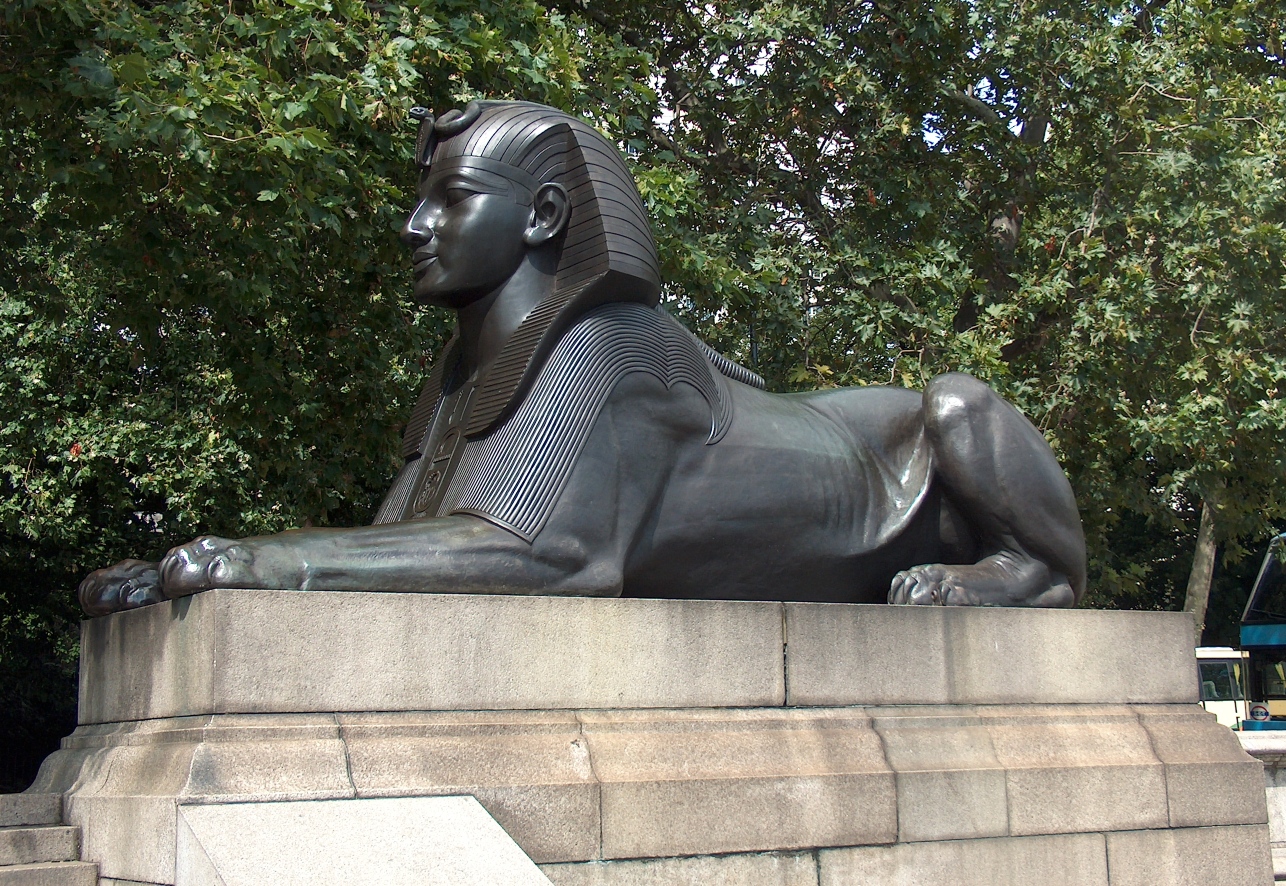
Sculptor born in Pimlico, London. By the early 1860s, he was working for a sculpture business operated by Robert Jackson, and, although uncredited at the time, later claimed responsibility for both the design and the carving of the Boy Drinking Fountain, erected under Jackson’s name in St James’s Park, London, in 1863. In this same year, he began exhibiting portraits at the Royal Academy. Mabey’s address is given in the catalogue of 1863 as 103 Lisson Grove. He is also recorded at this address, under the heading ‘sculptors’, in the Engineer and Building Trades Directory of 1868. However, the Royal Academy catalogues for 1864 and 1866 provide an alternative address for him at 1a Prince’s Street, Storey’s Gate, Westminster. It was from this address that Mabey carried on a flourishing trade in ornamental and figurative architectural sculpture, church furniture and monuments. The firm remained active well into the twentieth century, managed by the sculptor’s son, Charles Henry Mabey II (1867–1965). Mabey seems to have enjoyed a particularly productive working relationship with John Gibson, the architect to the National Provincial Bank, providing impressive figure sculpture for at least two of the bank’s branches, in Bishopsgate, City of London, 1864–65 (two of the eight relief panels: Shipbuilding and Mining) and at Middlesbrough, 1872 (the tympanum: Britannia and supporters). In the 1880s, Mabey was providing models for manufacture by the Ruabon terracotta firm of J.C. Edwards of renaissance-style architectural detail. Mabey signs three of the four bronze relief panels on Horace Jones’s Temple Bar Memorial in Fleet Street (1879–80): west side; south side; east side. He also modelled the two sphinxes (1882) for the base of Cleopatra’s Needle. He tendered unsuccessfully for the reconstruction of Francis Bird’s statue of Queen Anne in front of St Paul’s Cathedral in 1885 and exhibited for the last time at the Royal Academy in 1889. In 1903 Mabey’s firm tendered for the job of producing parapet figures for the new War Office building in Whitehall, but lost this commission to Alfred Drury. The firm was, however, successful in procuring the contract for the architectural sculpture on this building.
Bibliography: S. Beattie, The New Sculpture, New Haven and London, 1983, pp. 51–52, 108; T. Cavanagh, Public Sculpture of Kensington and Chelsea with Westminster South-West, Watford, 2023, pp. xxxv, 19; T. Cavanagh, Public Sculpture of South London, Liverpool, 2007, pp. 22, 210–12, 446; Mapping Sculpture; P. Usherwood et al, Public Sculpture of North-East England, Liverpool, 2000, pp. 298, 299; P. Ward-Jackson, Public Sculpture of the City of London, Liverpool, 2003, pp. xxii, 35, 36, 37, 39, 115–22, 154, 379, 419, 426, 431, 468; P. Ward-Jackson, Public Sculpture of Historic Westminster. Volume 1, Liverpool, 2011, pp. 240, 316, 320, 457.
Philip Ward-Jackson, 2011; revised, Terry Cavanagh, November 2024